
This post may contain affiliate links. We may earn a commission when you purchase through links on this site at no additional cost to you.
How to Make Your Makeup Last All Day in Hot Weather
Hot weather can make even your favorite makeup routine feel like a losing battle. Heat, humidity, sweat, and excess oil can leave foundation looking patchy, mascara smudged, and carefully applied color disappearing long before the day is over.
The good news? You do not need a heavy layer of makeup—or an overflowing beauty bag—to keep everything looking fresh. The secret is thoughtful skin prep, lightweight products, thin layers, and strategic setting.
Whether you are heading to work, attending an outdoor wedding, exploring on vacation, or simply trying to survive a humid afternoon, these easy tips will help your makeup stay put without feeling thick or cakey.
Why Makeup Breaks Down in Hot Weather
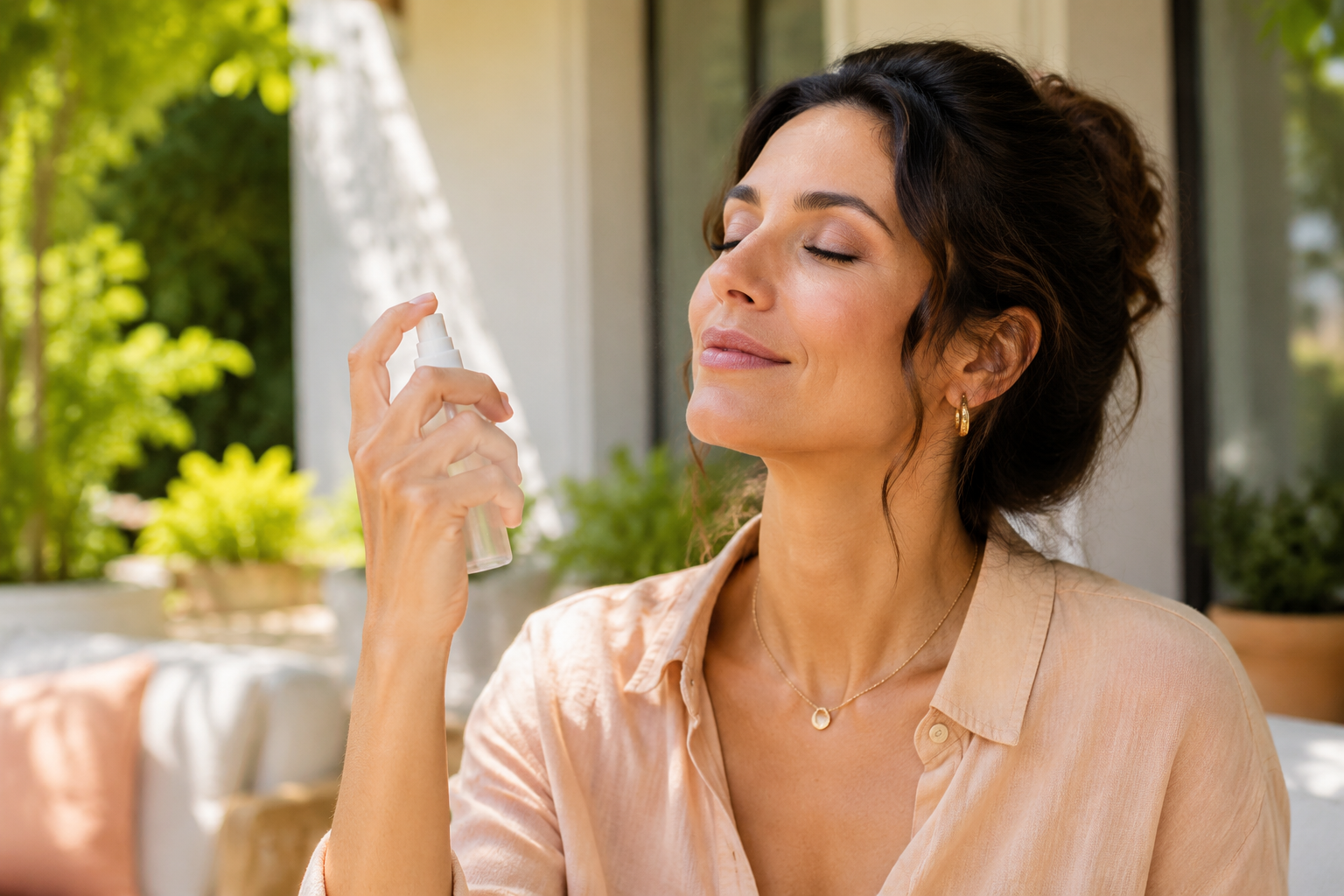
Heat and humidity can increase sweating and make skin feel oilier. When sweat, oil, and heavy layers of skincare mix beneath makeup, complexion products can separate, crease, or slide around.
Instead of trying to cover the problem with more makeup, focus on creating a light, balanced base. Every layer should have time to settle before the next one goes on.
1. Start With Clean, Lightweight Skin Prep
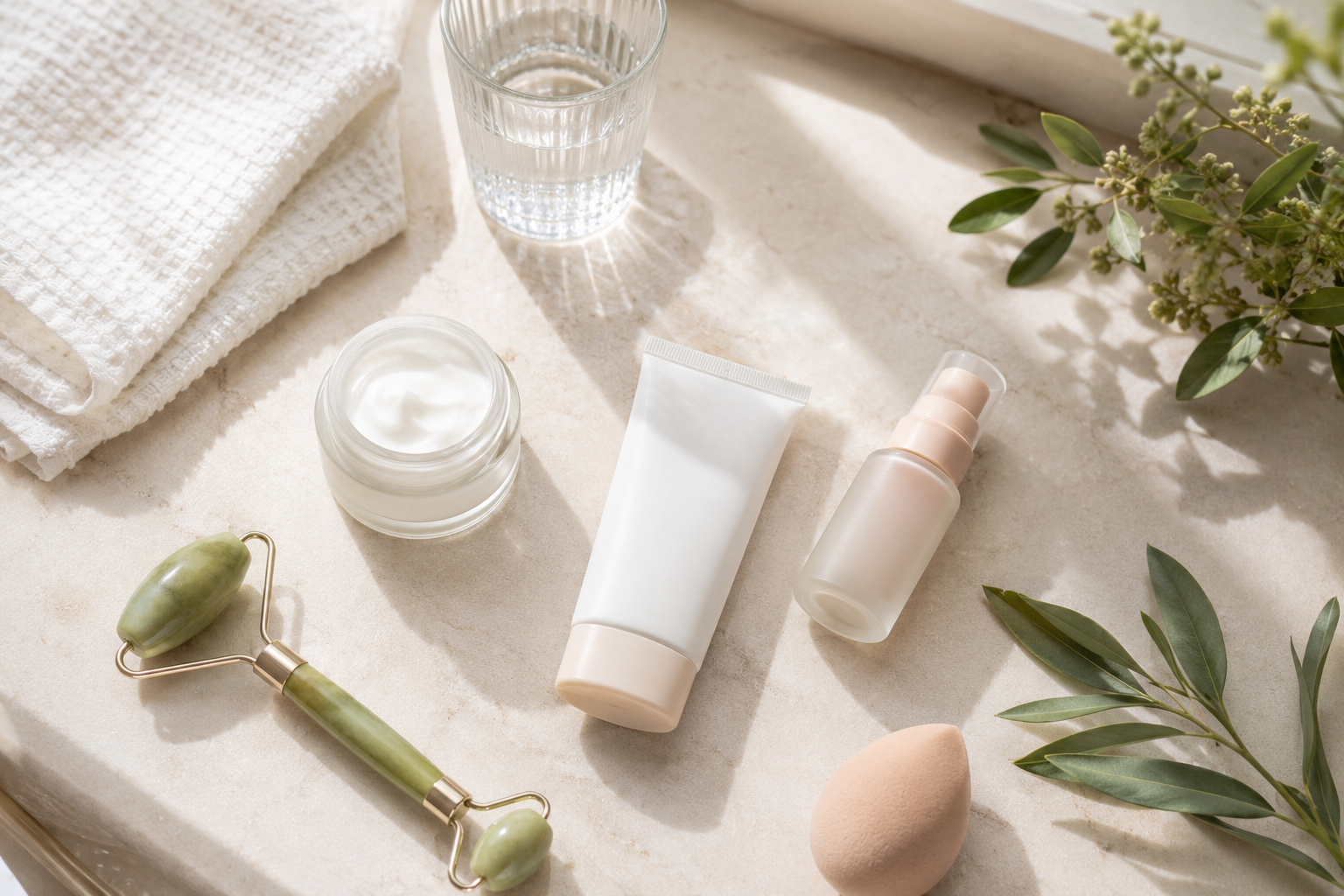
Long-lasting makeup begins before primer. Start with clean skin, then apply a lightweight moisturizer that works for your skin type.
If your skin is oily, look for a light gel or oil-free moisturizer. If your skin is dry, choose something hydrating that absorbs well without leaving a greasy finish. Using too much skincare can cause makeup to pill or move, so keep the routine simple.
Give your moisturizer a few minutes to absorb before applying sunscreen or makeup.
2. Never Skip Sunscreen
Use a broad-spectrum, water-resistant sunscreen with SPF 30 or higher when you will be outdoors. Choose a formula that layers comfortably under makeup and allow it to settle before moving on to primer.
Makeup containing SPF can be a helpful extra layer, but it should not replace a dedicated sunscreen. When outdoors, sunscreen also needs to be reapplied according to its label—generally every two hours and after swimming or sweating.
3. Apply Primer Only Where You Need It
You do not necessarily need primer over your entire face. Apply a mattifying or gripping primer to the areas where makeup tends to fade first, such as the forehead, nose, sides of the nose, and chin.
If you have dry areas, use a hydrating primer there or skip primer altogether. Matching the primer to the needs of each area can create a smoother result than using one heavy formula everywhere.
Give the primer about a minute to set before applying your base.
4. Choose a Lightweight Base
Hot days are usually not the time for a thick layer of full-coverage foundation. A skin tint, tinted moisturizer, light foundation, or strategically placed concealer will feel more comfortable and is less likely to look heavy as the day goes on.
Apply a small amount at a time with clean fingers, a damp makeup sponge, or a brush. Begin in the center of the face and blend outward, adding coverage only where you want it.
Thin layers are the key. Two light layers usually wear more naturally than one thick layer.
5. Use Concealer Strategically
Apply concealer only where you need extra coverage—under the eyes, around the nose, or over blemishes and discoloration. Let it sit for several seconds before blending if you want a little more coverage without adding extra product.
For under the eyes, use the smallest amount that gives you the result you want. Too much concealer can crease more noticeably in warm weather.
6. Set the Areas That Get Oily
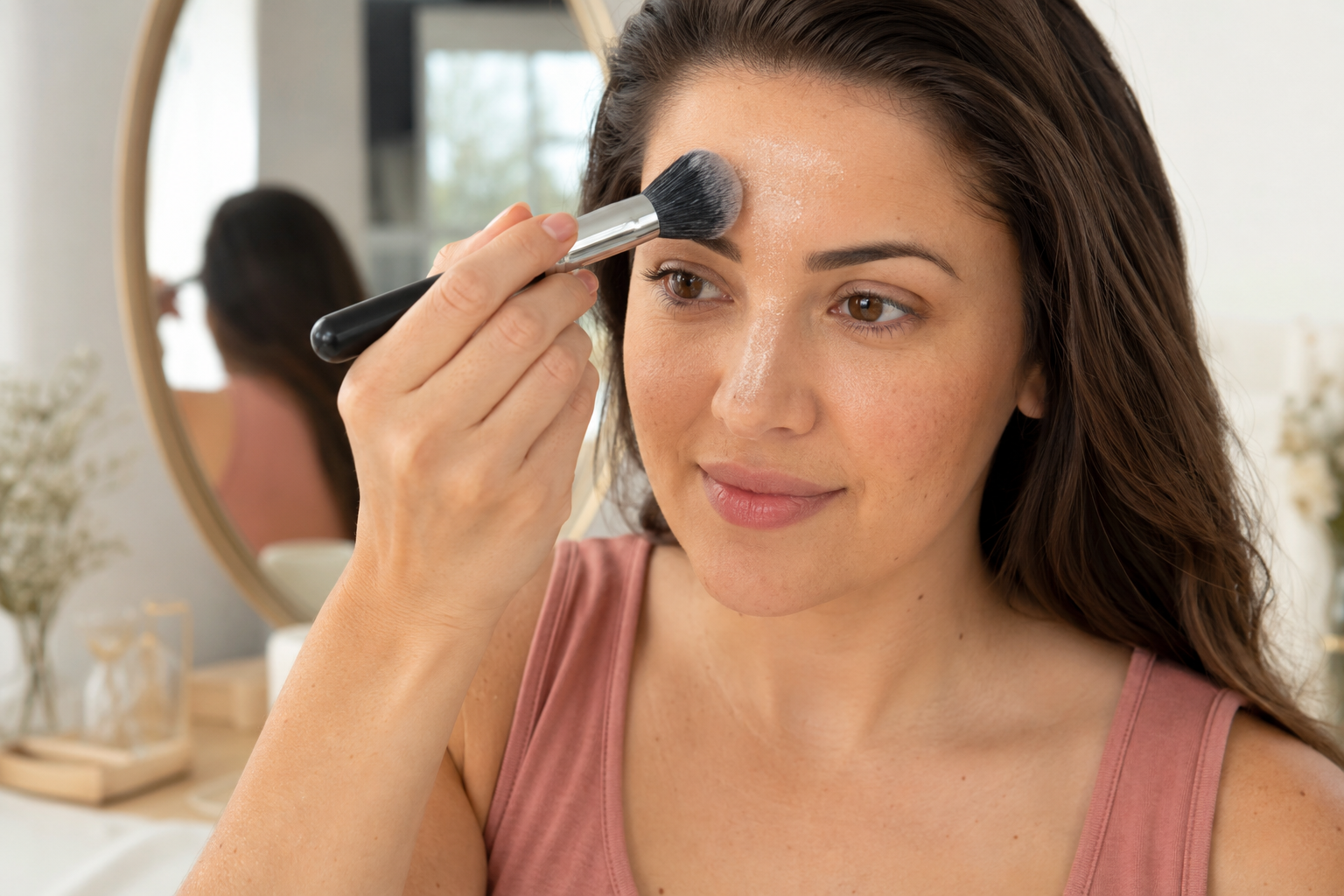
You do not have to cover your entire face with powder. Use a small fluffy brush or powder puff to press a light layer of translucent powder onto areas that become shiny or crease easily.
Focus on the T-zone, around the nose, beneath the eyes, and anywhere makeup tends to separate. Pressing powder into the skin generally gives you more control than sweeping on a heavy layer.
If your skin is dry, keep powder away from areas where it can emphasize texture.
7. Layer Cheek Color for Better Staying Power
Cream blush and bronzer create a fresh, natural finish, but they may fade more quickly in heat. For longer wear, apply a thin layer of cream color and lightly top it with a coordinating powder blush or bronzer.
The powder does not need to be an exact match. A similar shade will help set the cream while adding dimension. Use a light hand so the finished look remains soft and blended.
8. Keep Eye Makeup Simple and Smudge-Resistant
An eye primer can help prevent shadow from creasing on warm, humid days. Apply a very thin layer and set it with shadow.
Choose water-resistant or waterproof eyeliner and mascara when you expect sweat, humidity, or time near the water. For an easy summer look, try a neutral shadow, a thin line near the lashes, waterproof mascara, and brushed-up brows.
If brow products tend to disappear, finish with a clear or tinted brow gel designed for longer wear.
9. Pick a Lip Product That Fades Gracefully
Heavy lipstick can feel fussy in hot weather. A lip stain, tinted balm, lip liner topped with balm, or soft matte lip color is often easier to maintain.
For longer wear, lightly fill in the lips with liner before applying color. Choose a shade that still looks flattering as it gradually fades, and keep the matching balm or lip color in your bag for quick touch-ups.
Do not forget lip protection when spending time outdoors. Look for a lip balm with SPF 30 or higher and reapply it as directed.
10. Finish With Setting Spray
Setting spray can help the layers of makeup blend together and reduce a powdery finish. Hold the bottle at the distance recommended on the label, mist evenly, and let your face air-dry without touching it.
For extra staying power, you can use a light mist after complexion products and another after the full look is complete. Avoid soaking the face; a fine, even layer is enough.
How to Touch Up Makeup Without Making It Cakey
When shine appears, resist the urge to immediately add more powder. First, gently press a blotting sheet or clean tissue onto the skin to absorb excess oil and moisture. Do not rub, since rubbing can lift the makeup underneath.
Once the skin is dry, lightly press powder only where it is needed. If foundation has separated, smooth the area with a clean fingertip or makeup sponge before adding a tiny amount of concealer or skin tint.
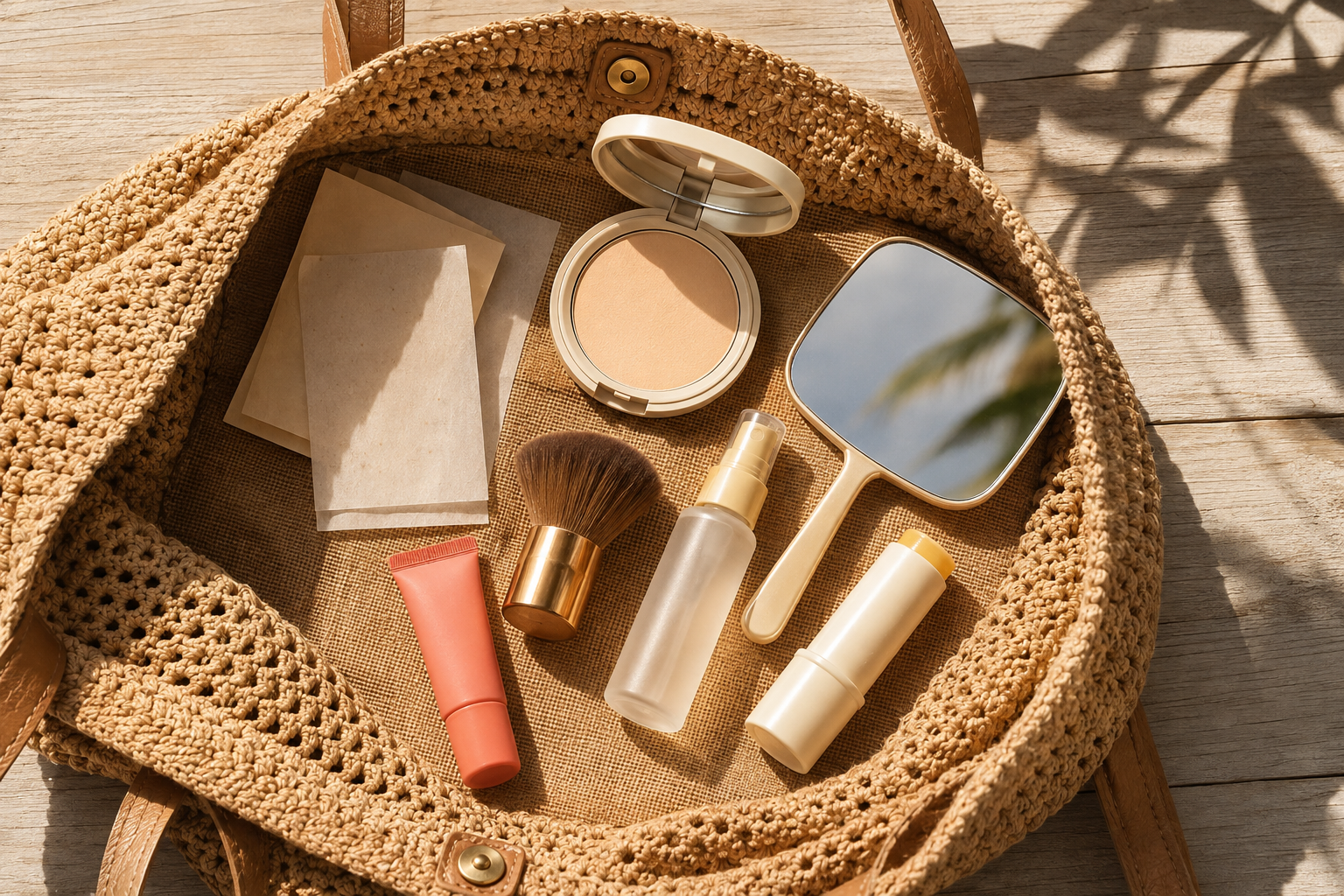
A small hot-weather touch-up kit can include:
Blotting sheets
Pressed powder
A small makeup sponge or puff
Lip balm or lip color
Cotton swabs for small smudges
A travel-size setting spray
Common Hot-Weather Makeup Mistakes
Applying Too Much Product
Heavy layers have more opportunity to crease, separate, and transfer. Start with less and build only where needed.
Rushing Between Layers
Skincare, sunscreen, primer, and foundation need a little time to settle. Applying everything immediately can lead to pilling or patchiness.
Powdering Over Sweat
Powder mixed with moisture can look thick and uneven. Blot first, allow the skin to dry, and then apply a small amount of powder.
Using Waterproof Products Everywhere
Waterproof makeup can be helpful around the eyes, but you do not need every product to be waterproof. Use long-wearing formulas strategically and remove them gently at the end of the day.
Skipping Sunscreen to Protect the Makeup
Makeup longevity should never come before sun protection. Build your routine around sunscreen and plan for reapplication when you will be outdoors.
A Simple Hot-Weather Makeup Routine
If you want an easy routine for busy summer mornings, use this order:
Cleanse and apply lightweight moisturizer.
Apply broad-spectrum, water-resistant SPF 30 or higher.
Let the sunscreen settle.
Press primer onto the T-zone or other high-movement areas.
Apply a light layer of skin tint or foundation.
Add concealer only where needed.
Apply cream blush or bronzer.
Lightly set the T-zone and crease-prone areas with powder.
Add simple eye makeup and water-resistant mascara.
Apply lip color and finish with setting spray.
Final Thoughts
Making makeup last in hot weather is less about using more product and more about choosing the right layers. Lightweight skincare, targeted primer, a thin base, strategic powder, smudge-resistant eye products, and setting spray can help your makeup look fresh without feeling heavy.
Most importantly, adjust the routine to your own skin. Oily areas may need a little more powder, while dry areas may look better with less. Once you find the right balance, warm-weather makeup becomes much easier—and far more comfortable.
What is the first makeup product that disappears on you in hot weather: foundation, blush, brows, or mascara?
This post may contain affiliate links. We may earn a commission when you purchase through links on this site at no additional cost to you.